

Toyota Hybrid Inverter Bolt Recall: Loss of Drive Power in Camry and Corolla Cross Hybrids
A single under-torqued bolt inside a hybrid inverter is enough to shut a car down on the motorway. Toyota’s recall under US campaign 25V869 covers 55,405 vehicles for exactly that fault, and it is worth a parts buyer’s attention because it ties one specific OE component to one clearly documented failure mode.
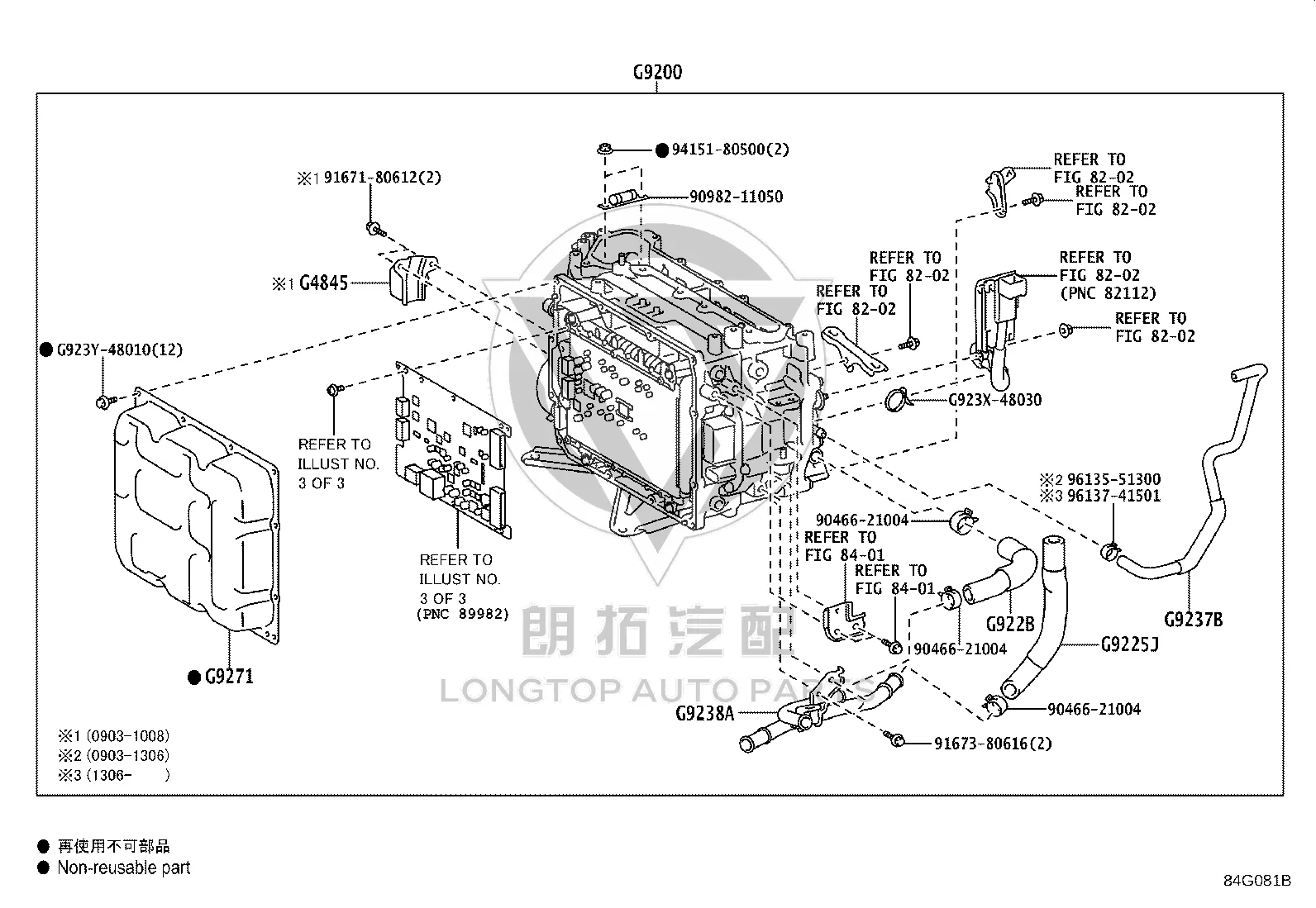
The inverter is the unit that converts DC from the hybrid battery into the AC that drives the electric motor. On the affected cars, a bolt inside the inverter was not tightened to specification during a narrow production window, which left the terminal with incomplete contact. The result is either an open circuit that cuts drive power or a short that can build heat. Both outcomes point to the same component, which is why the recall is a clean reference case for anyone selling hybrid power electronics.
The failure: a loose inverter terminal bolt
Symptom
Drivers describe the instrument cluster going dark and the vehicle speed dropping while moving, followed by reduced drive. In the failure’s full form the car loses motive power entirely. The open circuit first activates a warning lamp and can step the car into a limp mode, and if the loose bolt instead shorts while the ignition is on, the heat can damage components inside and around the inverter.
Diagnosis
The fault is a bolt inside the inverter that was not torqued correctly, causing incomplete contact at the inverter terminal. The recall covers the 2025 to 2026 Camry Hybrid and the 2026 Corolla Cross Hybrid, at 51,644 and 3,761 units respectively, built between August and November 2025. Toyota’s filing to NHTSA describes the two consequences plainly: a loss of motive power that raises crash risk, and an electrical short that raises fire risk.
Fix
Toyota’s remedy is to replace the inverter assembly free of charge. The specific assemblies filed for the recall are G92A0-0A020, G92A0-33110, and G92A0-33120, the inverter with the integrated hybrid motor control. Interim owner letters went out early in 2026, the final repair letters were mailed in mid-2026, and any dealer carries out the replacement at no cost under the campaign.
Parts notes
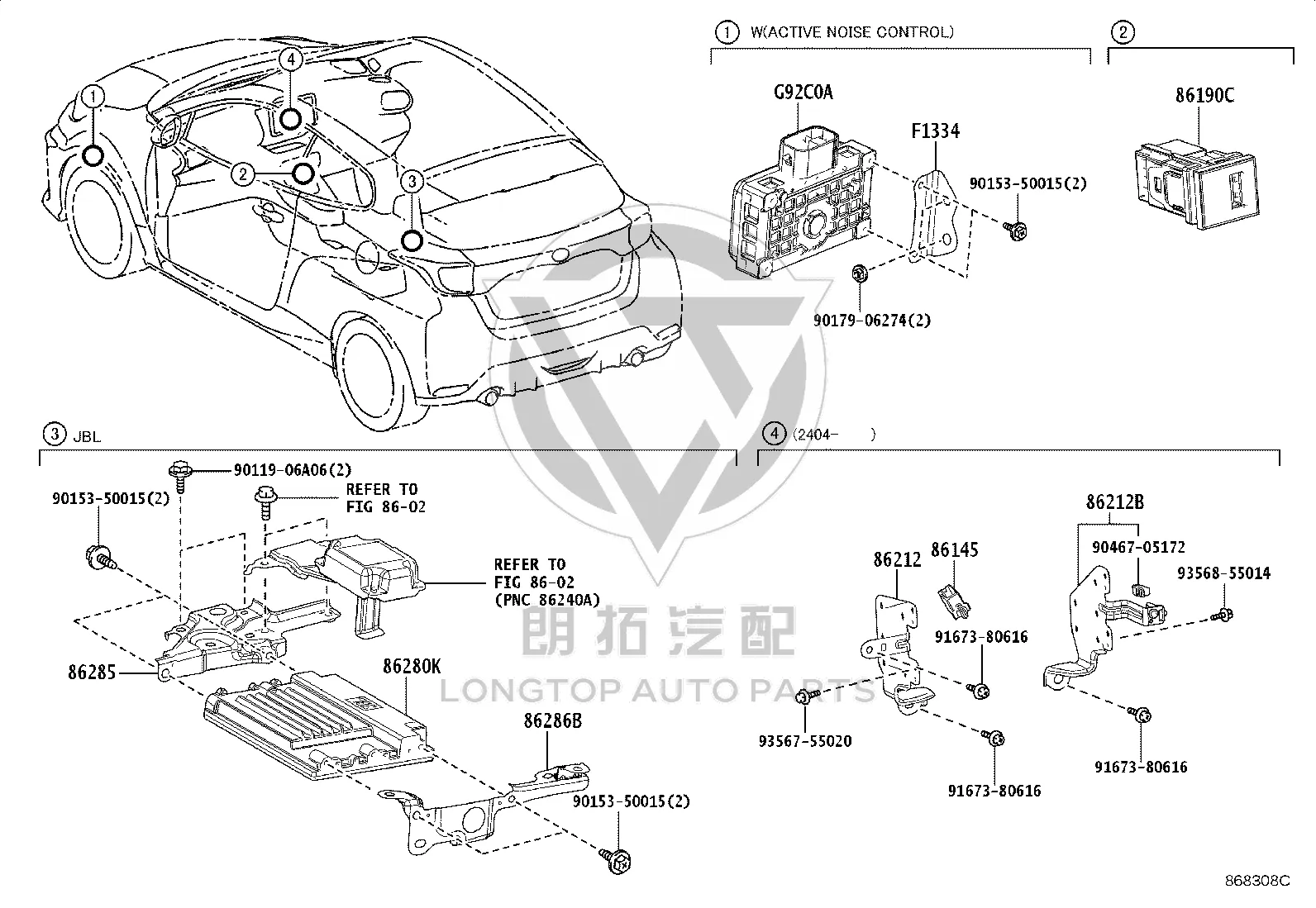
The inverter assembly is the highest-value unit in a hybrid’s power path, so its part number and platform matter more than almost anything else in the system. On the Camry Hybrid (AXVH) platform the related converter assembly is G92C0-30020. A genuine inverter power module for the wider Toyota and Lexus hybrid range is G92A0-48111, which is listed for the Highlander and RX hybrids, an earlier hybrid generation than the recalled models, so confirm fitment before ordering. The electrical units sit in the body electrical module category.
Why one bolt shuts the whole system down
The inverter sits between the battery and the motor, and nothing in the drivetrain moves without it. The battery stores energy as DC, but the traction motor runs on AC, so the inverter is the stage that performs the conversion. A loose terminal bolt raises the contact resistance at that point, and when high current passes through a high-resistance joint it generates heat. The system responds in two stages. First it reduces power so the driver can pull over safely, and only then does it cut output completely to prevent a burnout. That staged response is why many owners report reduced drive before a full stop rather than an instant failure.
The same loose bolt can also arc and short against the inverter housing while the vehicle is powered on. That short is the fire risk Toyota lists in the filing, and it is a different failure from the open-circuit limp mode even though it starts from the same fastener. For a buyer this distinction matters, because a no-drive hybrid and a smoking inverter are two ends of the same diagnosis and both terminate at the inverter assembly.
Inspection and what owners should watch for
For the vehicles inside the campaign the repair is free, so the practical advice is to run the VIN against the recall and book the replacement rather than leave it. For hybrids outside the campaign, two habits catch the same class of fault early. The first is to let the system finish its self-check after a cold start and wait for the ready light before driving away, so the electronics are settled before load is applied. The second is a periodic torque check of the high-voltage connections, the kind a dealer performs in minutes with the reference values from the manual.
The one thing not to do is tighten or open a hybrid inverter without training. The capacitors inside hold residual charge even with the vehicle off, and the voltage is high enough to injure. Disconnecting the service plug and using insulated tools is the minimum before any hands-on work, and for an inverter this is dealer or specialist territory rather than a driveway job.
What this recall teaches parts buyers
- A hybrid’s power electronics can fail from a single under-torqued fastener, and the result is a total loss of drive power rather than a slow wear-out, so the inverter is the first place to look after a sudden no-drive hybrid.
- The inverter assembly is the most expensive unit in the power path. Knowing the OE number and the platform is the difference between quoting the correct assembly and guessing.
- Under-torqued terminals produce two opposite faults: an open circuit that trips limp mode, and a short that can cause fire. Both diagnose to the inverter, not the battery or the motor.
- Recalled assemblies are replaced free by dealers, so the aftermarket opportunity is the surrounding converter and module hardware and the wider hybrid range that is not covered by the campaign.
- Confirm the platform before quoting. The recalled models are the 2025 to 2026 Camry Hybrid and the 2026 Corolla Cross Hybrid, and the part numbers change between hybrid generations.
- Check every number against the Toyota OE number guide and the genuine Toyota parts guide before you quote a hybrid unit.
Need a genuine inverter, converter, or related hybrid power-electronics part? Send the OE number and chassis code on WhatsApp or through the contact page, and we will confirm fitment before you order.

The LongTopAuto team writes from 25+ years of genuine Toyota and Lexus OEM parts export experience in Guangzhou, China. Our guides come from daily OE number checks, packaging review, and export sourcing work.