

Toyota RAV4 12V Battery Failure: Sulfation and the Four Habits That Shorten Battery Life
A five-year-old RAV4 that will not crank on a cold morning, with a black instrument cluster and no headlights, is rarely a quality problem. It is a lead-acid battery that reached the end of its service life. The RAV4’s original 12V battery is a lead-acid unit, and the industry norm for these batteries is a three to five year lifespan. A unit that lasts a full five years has in fact done its job.
What shortens that life is not the vehicle. It is a set of ordinary owner habits that keep the battery in a permanent state of partial charge. Partial charge is what drives plate sulfation, and sulfation is what finally kills a battery that could otherwise have lasted longer. The case below walks through the symptom, the diagnosis, and the habits that matter, because a parts buyer who understands why these batteries fail can sell the right fix the first time.
The case: a RAV4 that went dark overnight
Symptom
The owner pressed the start button on a five-year-old RAV4 and got nothing. The dashboard stayed black, the lights stayed off, and the car would not crank. A technician arrived, jump-started the car, and tested the battery. The result was a battery down to 3% of its rated life, with heavy plate sulfation. It could no longer hold a charge, so even a long drive after the jump would not bring it back. The only correct fix was replacement.
Diagnosis
The RAV4’s factory battery is a lead-acid unit rated around 45Ah, and this one was simply worn out at the five-year mark. Sulfation is the mechanism. When a battery sits below full charge, the lead sulfate that forms during discharge hardens on the plates instead of converting back, and the active material is slowly sealed off. Four owner habits drove this battery into that state early.
The first habit is short-trip driving. This owner commuted three kilometres and ran a two-kilometre school drop-off. Every start draws a large current to spin the starter, the fuel pump and the engine control unit, but the alternator only reaches full charging output once engine speed climbs. A few minutes of driving is not enough to repay what the start took, so the battery ran permanently half-empty.
The second habit is using accessories with the engine off. This owner sat with the radio on after parking and charged a phone, sometimes leaving a charger plugged in overnight. With the engine off, the whole electrical load rests on the 45Ah battery, and on a cold night a single overnight draw can drain an aging unit. Cold weather makes the problem worse, because a lead-acid battery’s chemical activity drops at low temperature and its drain rate effectively doubles.
The third habit is an always-on accessory. A hidden dashcam was wired to constant power for parking surveillance, so it drew current around the clock even with the car locked. Constant power plus short trips is a double drain that wears a battery down quickly.
The fourth habit is leaving the car parked for days at a time. The RAV4 has no automatic low-voltage cut-off, so natural self-discharge plus any accessory draw slowly empties the battery over a four or five day park. Each long park advanced the aging, and across five years the owner left it parked for long stretches three times, with every restart coming harder than the last.
None of this is unique to the RAV4. The three to five year battery lifespan applies to every petrol car, from a small hatchback to a six-figure luxury sedan. A five-year-old battery that still starts is a good unit. The difference is how quickly the owner’s habits push a battery toward its end, and the four habits above are the ones most household drivers repeat without noticing.
Fix
The fix is a new battery plus a change of habit. The technician’s aftercare advice was concrete: drive twenty kilometres at least once a week to reach a full charge, use no accessories with the engine off, wire any add-on equipment to switched (ACC) power so it shuts off with the ignition, and start the car for a ten-minute idle every two weeks if it sits long term. The takeaway the owner took away was that the RAV4’s reputation for durability applies to the engine, gearbox and chassis, while the battery, tyres and brake pads are wear parts that age on their own schedule.
Parts notes
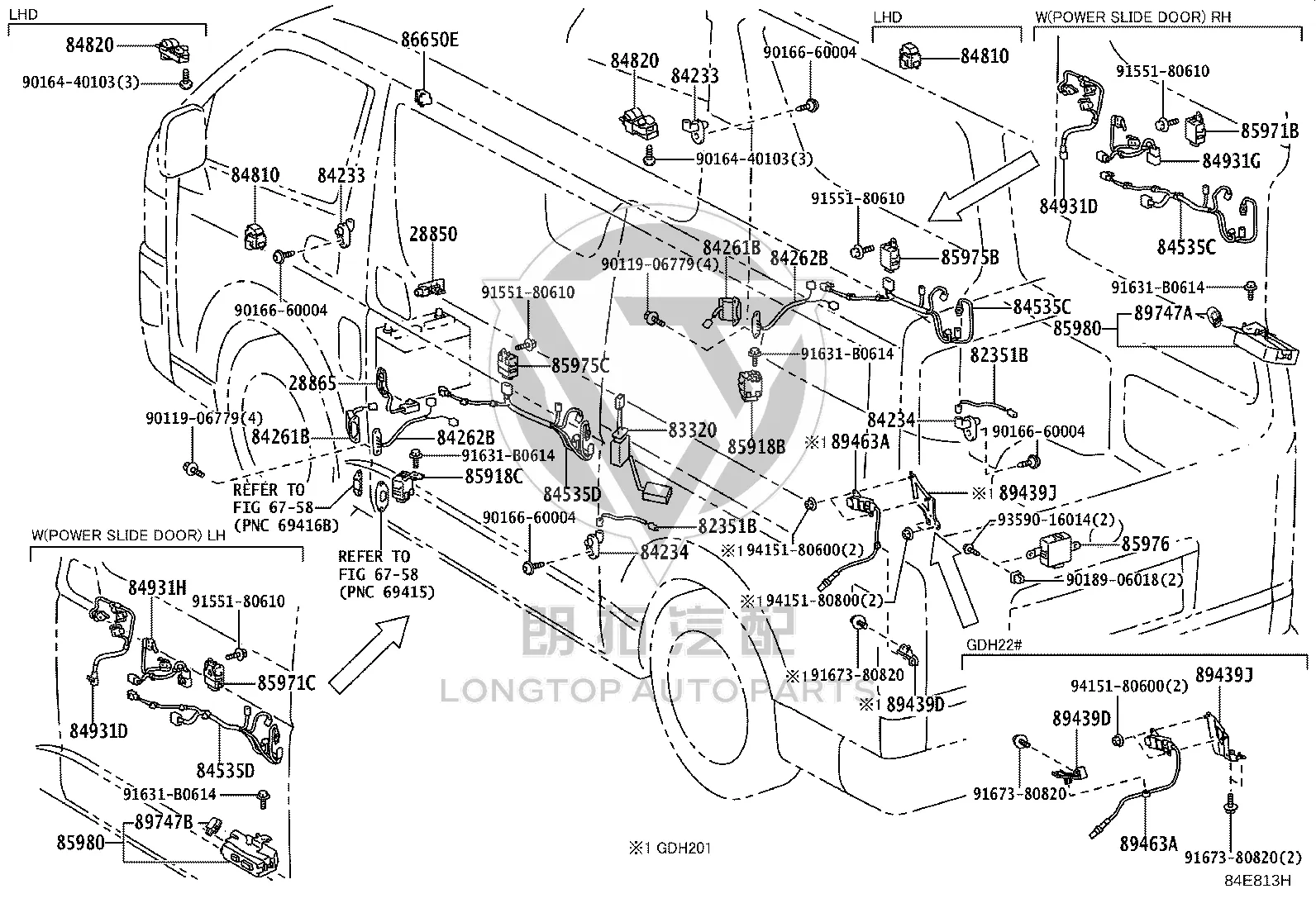
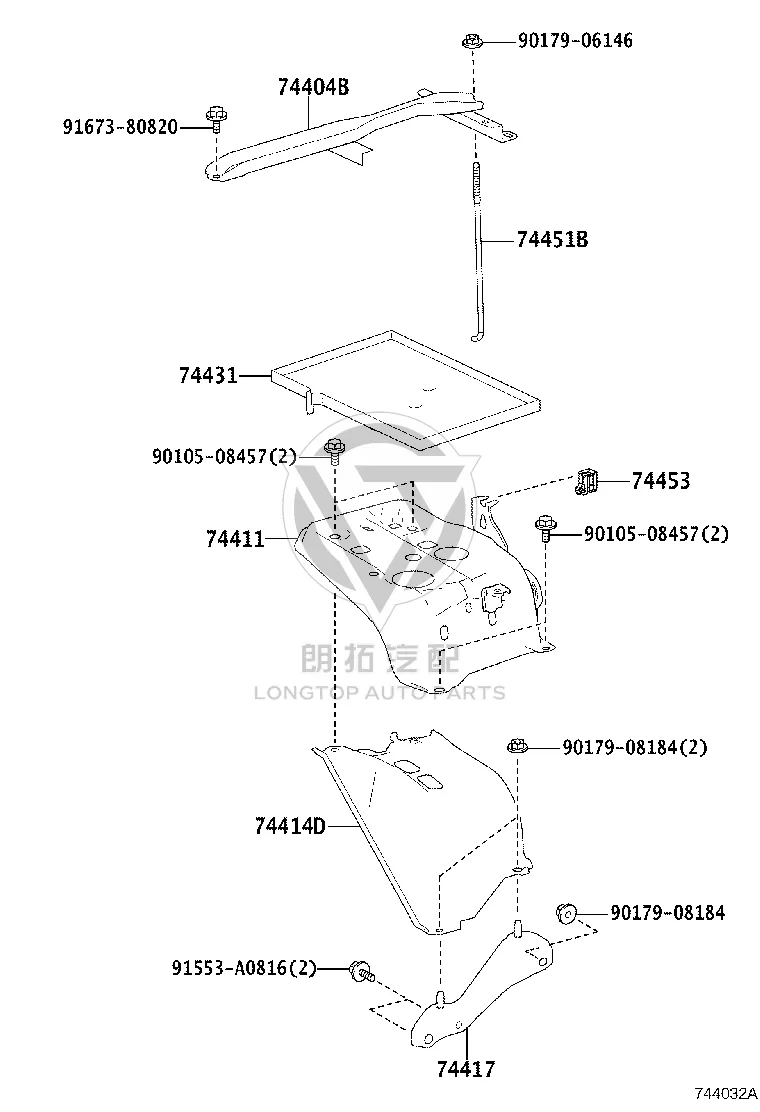
Toyota supplies the RAV4’s 12V battery under a generic original-equipment part number such as 28800-YZZXA, so battery fitment is matched by group size and cold-cranking rating rather than a model-specific stamp. The charging side is monitored by the battery current sensor, which on the RAV4 is 2885028040, and the battery itself sits in a tray listed as 7443142090. Buyers replacing a sulfated battery should check the tray and current sensor at the same time, because corrosion or a bad sensor on an old car is a common reason a new battery fails again soon after.
What these cases teach parts buyers
- The 12V battery is a wear item with a three to five year life. A five-year-old battery at 3% capacity is normal aging, not a fault.
- Short-trip driving, engine-off accessory use, constant-power add-ons and long parking are the four habits that sulfatate a battery early.
- When a customer’s battery dies repeatedly, check the charging system and the battery current sensor before assuming another battery is the answer.
- Match a replacement battery by group size and cold-cranking rating, then confirm the OE part with the OE number guide.
- Genuine electrical parts keep the charging loop stable. See the genuine parts guide before sourcing a sensor or tray.
Looking for a genuine battery, current sensor, or battery tray for a Toyota or Lexus? Send the OE number and chassis code on WhatsApp or through the contact page, and we will confirm fitment before you order.
Browse genuine TOYOTA RAV4 OEM parts
3,537 OE numbers with VIN-verified fitment, wholesale export pricing.
View TOYOTA RAV4 Parts Catalog
The LongTopAuto team writes from 25+ years of genuine Toyota and Lexus OEM parts export experience in Guangzhou, China. Our guides come from daily OE number checks, packaging review, and export sourcing work.