

A Highlander that drinks a litre of oil every 1,000 km is rarely a worn-out engine. On this ticket a 2.7-litre Highlander came in because the owner was topping up the oil far too often, and the smell of oil smoke was there the moment the bonnet opened. Once the valve cover came off, the cause was visible on the spot: thick sludge packed around the oil galleries above the pistons, with black deposits caked into every gap.
The sludge is the diagnosis in itself. It chokes the oil flow, starves the moving parts of lubrication, and speeds up the wear that pushes oil consumption higher. On top of that, hardened valve stem seals stop sealing, which lets oil run down the valve guides into the combustion chamber where it burns away. The fix on this car was never going to be a single part. It was a sequence: strip the sludge, check and replace the valve stem seals, then clean the engine cavity so the problem does not walk straight back in.
Case 1 – Highlander 2.7-litre, oil sludge and valve stem seal oil consumption
Symptom. The owner reported adding oil roughly every 1,000 km, far short of the service interval, and the smell of oil smoke met the technician as soon as the bonnet lifted. The engine was the 2.7-litre Highlander unit, and the oil told the same story as the owner’s notes: a dark, thickened fill that had long since stopped doing its job. The owner’s own recollection put it plainly, that the oil had looked black even a few thousand kilometres after the car was new.
Diagnosis. With the cover off, sludge sat thick over the piston-top oil galleries and caked into the gaps, a coating the technician described as closer to a layer of paint than the light deposit a healthy engine leaves behind. Sludge blocks lubrication and drags oil into the burn, and once the valve stem seals harden they let oil leak down the guides and into the combustion chamber, which shows up as oil loss and worse emissions at the same time. The root of the sludge was a half-synthetic oil of mediocre quality combined with short, stop-start trips that never let the oil reach a clean operating temperature, with long idling and a long stretch without an engine flush piling the same deposit on top.
Fix. The recommended repair was never to change the seals and call it done. The sludge had to be removed first, then the valve stem seals checked and replaced where they had hardened, followed by a deep clean of the engine cavity with a dedicated cleaner so the residue did not choke the oil passages again. The engine was then refilled with a higher-quality synthetic oil with additives that resist deposit build-up, and the owner was told to change oil more often and to use an oil-flush cleaner on a schedule. Swapping the seals alone would not have held, because the sludge left behind would have blocked the passages again within months, which is exactly why the clean came before the parts.
Parts notes. The parts shelf for this job is the seals and the crankcase breather side of the engine. On the 2.7-litre Highlander the valve stem seal 90913-02101 is listed for the ASU40 and GSU45 chassis covering the 2009 to 2015 cars, and it is the part that stops oil running down the guides once the sludge is gone. Beside it sits the valve cover PCV valve 12204-36020 for the same ASU40 chassis, the crankcase-ventilation valve that, when it sticks, pushes oil vapour back into the intake to burn and quietly feeds the same oil-loss symptom. If the cylinder walls still measure in spec the seals and the breather valve are the whole repair; if the bores are scored, the piston ring 13011-31151 for the ASU40 and GSU45 chassis is the next item down. Confirm the chassis and measure the cylinders before ordering.
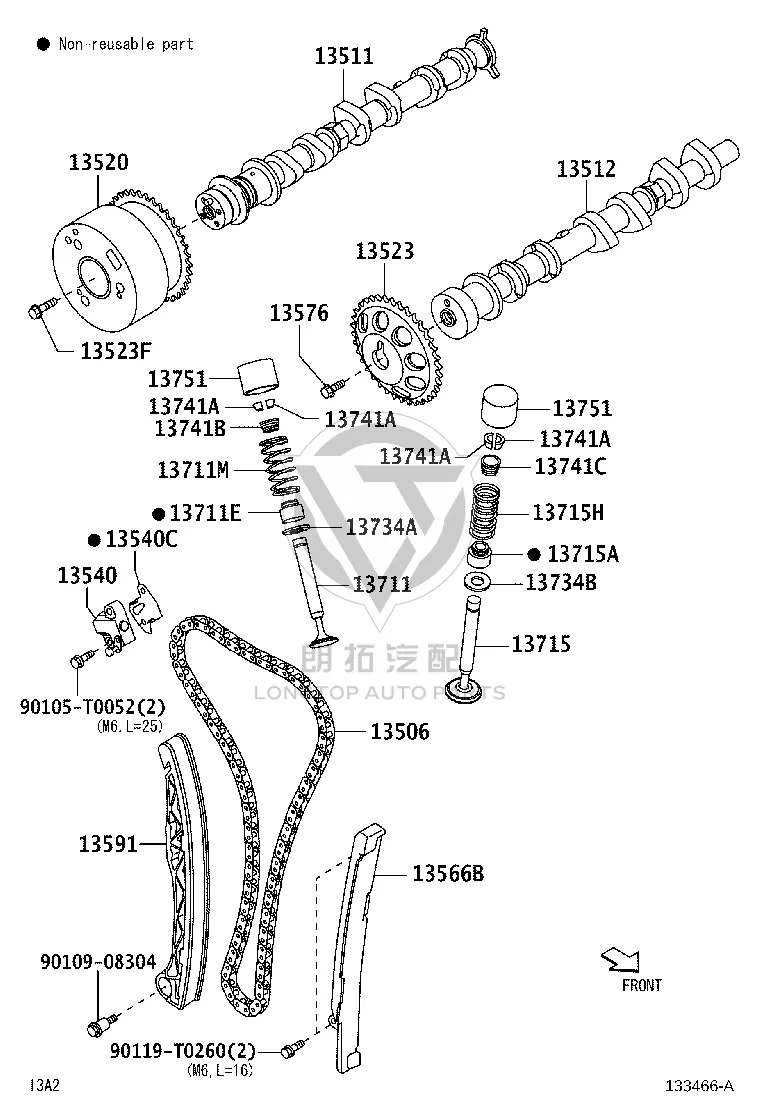
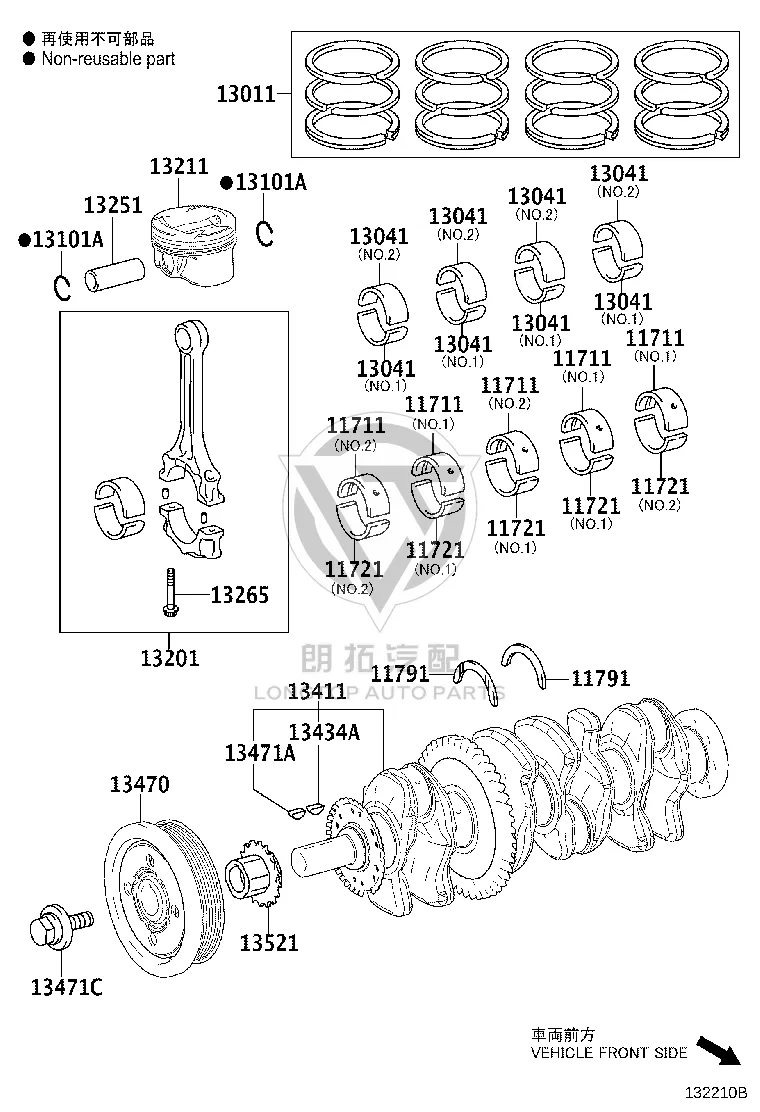
The parts shelf around this job is what keeps an engine account alive. The seal, the breather valve and the cleaner move together on a sludge repair, and the workshop that swaps only the seal is the one whose car comes back with the same oil loss a few months later.
What this case teaches parts buyers
- Sludge is the early signal. Thick deposits are the visible warning before the oil loss shows up on the dipstick, and the valve stem seal is the part that sells into the repair.
- The seal is not a solo fix. Valve stem seals hold only after the sludge is cleaned out, so the cleaner and the seal travel together on the invoice.
- Oil quality is part of the bill. A half-synthetic fill on short trips is what builds the sludge in the first place, so the synthetic-oil recommendation moves with the seal.
- The breather valve is the quiet second part. A sticky valve cover PCV valve pushes oil vapour into the intake, so it belongs on every oil-consumption quote.
- Cylinder condition decides the depth. The ASU40 and GSU45 seals fit the 2009 to 2015 Highlander, and the piston ring is the next step only when the bores measure out of spec. Run the OE number check and confirm genuine seals before you commit, and check the genuine parts guide for the full engine set.
If you supply Toyota and Lexus engine seals, breather valves or piston rings for the Highlander oil-consumption repair, send the OE numbers or chassis codes on WhatsApp or through our contact page. LongTopAuto matches genuine Toyota and Lexus parts by OE number, with fitment confirmed against chassis code and production year.

The LongTopAuto team writes from 25+ years of genuine Toyota and Lexus OEM parts export experience in Guangzhou, China. Our guides come from daily OE number checks, packaging review, and export sourcing work.